
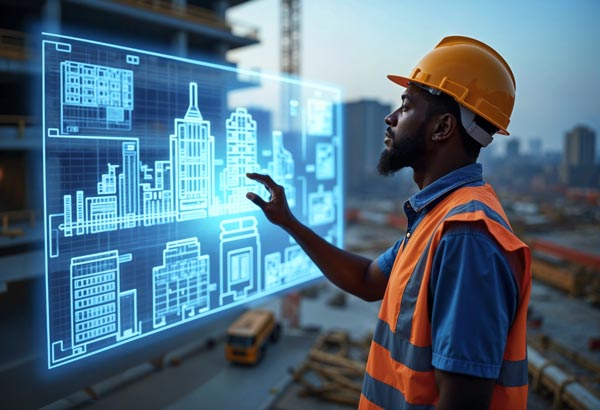
In the rapidly evolving world of construction, staying ahead means embracing innovation. Gone are the days when bricks, mortar, and manpower were the only essentials. Today, construction is a blend of technology, engineering excellence, sustainability, and design innovation. At the heart of this transformation are modern construction techniques—reshaping how buildings are planned, designed, and delivered.
In this blog post, we’ll explore the latest construction techniques that are revolutionizing the industry and how they’re being applied to projects to improve efficiency, reduce costs, and enhance quality.
1. Prefabrication and Modular Construction
What it is:
Prefabrication involves manufacturing building components off-site in a controlled environment and then assembling them on-site. Modular construction takes this a step further by creating entire sections—or modules—of a building off-site.
Benefits:
- Faster project completion: Less time on-site means shorter construction timelines.
- Cost savings: Reduced labor costs and minimized material waste.
- Quality control: Controlled factory settings ensure high precision and consistency.
- Less disruption: Especially valuable in urban areas with limited space or noise restrictions.
Real-world application:
From hospitals and schools to hotels and apartment blocks, modular buildings are gaining popularity for their speed and scalability.
2. Building Information Modeling (BIM)
What it is:
BIM is a digital representation of the physical and functional characteristics of a facility. It allows architects, engineers, and contractors to collaborate on a single platform, sharing data in real-time throughout the project lifecycle.
Benefits:
- Improved collaboration: All stakeholders access the same 3D models and data.
- Clash detection: Identifies potential design conflicts before construction begins.
- Efficient facility management: Post-construction, BIM models assist in maintenance and operation.
Impact:
BIM isn’t just a design tool—it’s a decision-making powerhouse that helps eliminate errors, improve coordination, and deliver better results.
3. 3D Printing in Construction
What it is:
3D printing in construction uses large-scale printers to create building components—or even entire buildings—layer by layer from materials like concrete or composite blends.
Benefits:
- Speed: Some structures can be printed in 24-48 hours.
- Customization: Complex designs can be achieved without additional cost.
- Sustainability: Reduces material waste and energy use.
Future outlook:
While still emerging, 3D printing has already been used to build homes, bridges, and emergency shelters, offering a glimpse into a future of fast, affordable housing.
4. Green Construction and Sustainable Materials
What it is:
Sustainability is no longer optional—it’s a core requirement in modern construction. Techniques now prioritize energy efficiency, low carbon footprints, and the use of recycled or eco-friendly materials.
Key strategies include:
- Installing energy-efficient HVAC and lighting systems
- Using recycled concrete, steel, or reclaimed wood
- Incorporating green roofs and rainwater harvesting systems
- Designing buildings that meet LEED or BREEAM standards
Why it matters:
Sustainable construction not only reduces environmental impact but also leads to long-term cost savings for clients and improves building health and performance.
5. Smart Construction Technology
Examples of smart tech include:
- Drones: For surveying, monitoring progress, and site inspections
- Wearables: Enhance worker safety with real-time tracking and alerts
- Robotics: Automate repetitive tasks like bricklaying or concrete pouring
- IoT (Internet of Things): Sensors embedded in materials or machinery to provide real-time data on performance and usage
Result:
These technologies reduce human error, enhance safety, and provide actionable insights that drive project success.
Conclusion: Embracing the Future
The construction industry is at a crossroads—where traditional practices meet cutting-edge innovation. Companies that adopt modern construction techniques are not only delivering projects faster and more cost-effectively, but they’re also setting new benchmarks in quality, sustainability, and safety.
At BCR, we’re proud to be at the forefront of this transformation. By integrating advanced technologies with expert craftsmanship, we’re building structures that stand the test of time—while meeting the demands of the modern world.
Want to see how these innovations can benefit your next project?
Get in touch with us today to learn more about how we bring the future of construction to life.