
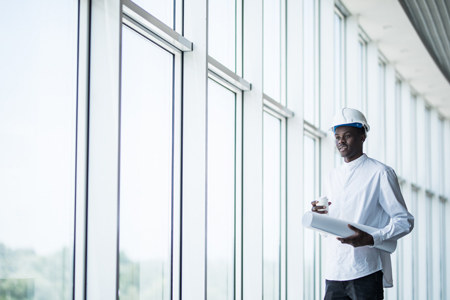
In construction, two things matter most beyond aesthetics and design: durability and safety. Whether it’s a residential home, a commercial facility, or a public infrastructure project, structures must withstand the test of time, weather, and usage—all while keeping occupants and users safe.
Neglecting these fundamental elements can lead to costly repairs, dangerous hazards, or even catastrophic failures. In this post, we’ll break down the importance of durability and safety in construction and explore the best practices, materials, and strategies that help ensure both.
Why Durability and Safety Matter
Durability means that a structure can maintain its performance and integrity over time, even when exposed to harsh environmental and usage conditions.
Safety refers to the structure’s ability to protect its occupants and workers during and after construction, minimizing the risk of injury, structural failure, or accidents.
Together, they ensure:
- Longevity of investment
- Lower maintenance and repair costs
- Peace of mind for owners and users
- Compliance with legal and industry standards
1. Use of Quality Materials
What it means:
The foundation of a durable and safe building starts with using high-quality, industry-approved materials.
Key materials that promote longevity and safety include:
- Reinforced concrete for strength and resistance to weather
- Structural steel for load-bearing capacity and seismic performance
- Weather-treated wood for resistance to rot, pests, and warping
- Fire-resistant materials like gypsum board and treated cladding
Tip: Always source materials from reputable suppliers, and avoid cutting costs with substandard alternatives.
2. Strict Adherence to Building Codes
Why it’s critical:
Building codes are developed to ensure structures meet safety, health, and durability standards. Ignoring these can result in penalties—or worse, dangerous buildings.
Best practices:
- Work with licensed professionals who understand local codes
- Stay up to date with evolving regulations
- Ensure all inspections are passed at every project stage
Real-world impact:
Buildings that meet or exceed codes tend to have better resale value and lower insurance premiums.
3. Strong Foundation and Structural Integrity
Why it matters:
The foundation supports the entire structure. A weak or improperly designed foundation can compromise the entire building.
Best practices include:
- Conducting thorough soil testing before design
- Using appropriate foundation types (slab, pier, pile) based on site conditions
- Reinforcing footings and load-bearing walls to handle structural stress
Bonus tip: Regular inspections during foundation work help prevent cracks, settling, and future failures.
4. Safety Protocols During Construction
Worker safety is non-negotiable.
Construction sites are inherently risky, but robust safety practices reduce accidents and save lives.
Key safety measures:
- Enforcing use of personal protective equipment (PPE)
- Clear site signage and restricted access areas
- Regular safety training and drills
- Adherence to OSHA or HSE regulations (based on your region)
Equipment and technology that help:
- Drones for remote site inspections
- Wearables that monitor worker health
- Real-time project management tools that track site safety compliance
5. Weatherproofing and Environmental Protection
Durability doesn’t only mean withstanding time—it also means standing up to the environment.
Protective strategies include:
- Installing moisture barriers and proper drainage systems
- Using UV-resistant materials for exterior surfaces
- Sealing windows, roofs, and joints against air and water infiltration
- Applying corrosion-resistant coatings on metal elements
Result: Reduced risk of structural deterioration, mold, and interior damage.
6. Routine Inspections and Maintenance Planning
Construction doesn’t end when the project is delivered. A maintenance plan ensures continued durability and safety.
Include:
- Scheduled inspections for structural integrity, HVAC, plumbing, and electrical systems
- Prompt repairs of cracks, leaks, or corrosion
- Updating building systems (like fire alarms or security) as needed
Pro tip: Educate clients or occupants on proper use and maintenance for optimal building performance.
Conclusion: Build Strong, Build Safe
Durability and safety aren’t optional—they’re essential. Every decision made during the design and construction process must contribute to a structure that is strong, sustainable, and secure. At BCR, we take pride in delivering projects built on these very principles.
Whether it’s selecting the right materials, following rigorous safety procedures, or constructing to last for generations, we believe in building better—because your investment, your safety, and your trust deserve nothing less.
Thinking about your next construction project?
Let’s work together to build something safe, strong, and future-proof. Contact us today for a consultation.